
Vegetables That Keep Longer Than You Expect
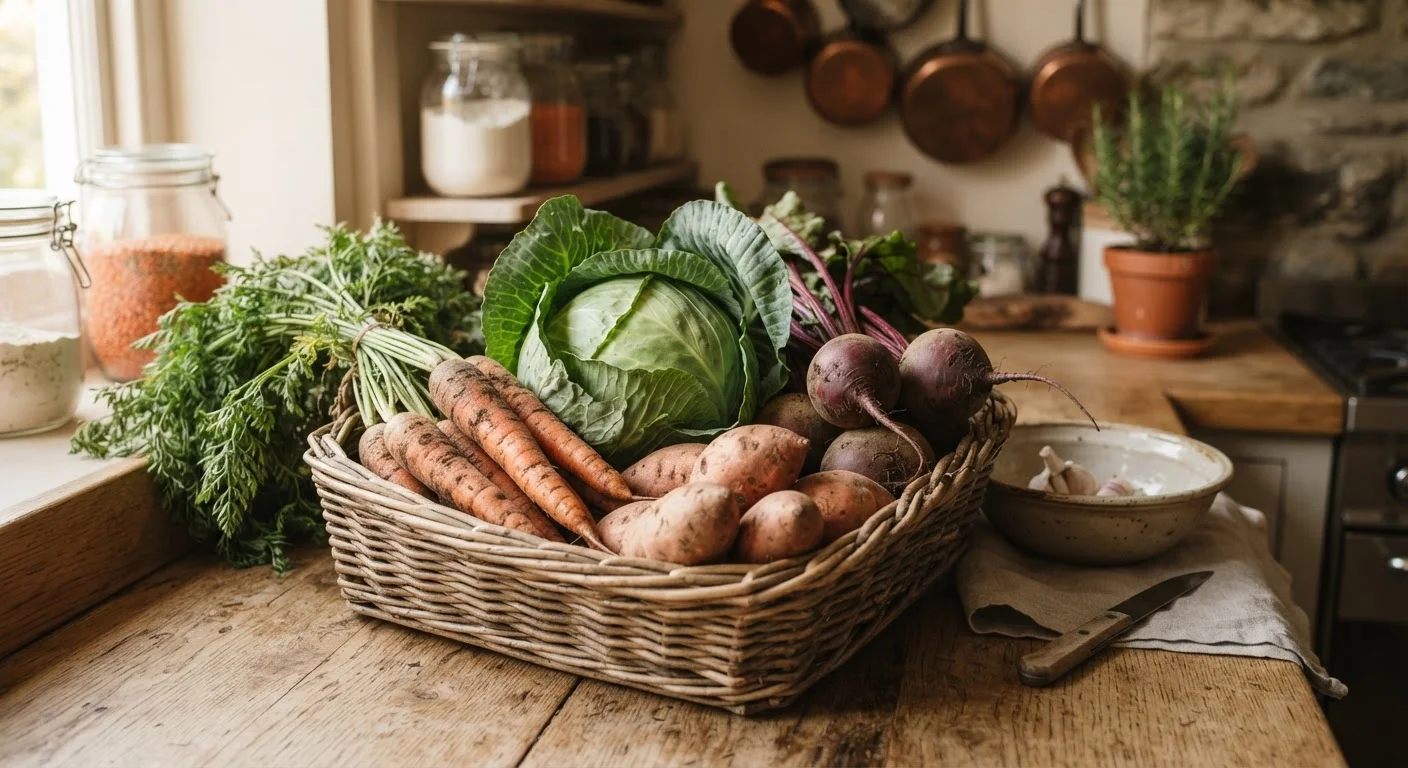
Photo credit: seeksmartgrowth.com
A curated look at the produce picks that stay fresh the longest, helping families reduce spoilage and get more value from each shop.
Key Takeaways
- Root vegetables like carrots and beets can stay fresh for several weeks when stored correctly in cool, dry conditions.
- Cabbage and winter squash are among the longest-lasting produce items a family can buy.
- Proper storage, not just vegetable choice, determines how long fresh produce actually lasts.
- Building meals around hardy vegetables reduces food waste and stretches the grocery budget further.
- Ethylene-producing fruits kept near vegetables can shorten shelf life significantly.
Why shelf life matters at the grocery store
American families throw away a significant portion of the produce they buy before it gets eaten. Vegetables are a large part of that waste, often because shoppers choose items that look appealing but go soft or moldy within days of purchase. Buying vegetables with naturally long shelf lives is one of the simplest ways to reduce that waste and get more value from each grocery trip.
This is not about giving up fresh flavor. Several vegetables hold their texture, taste, and nutritional value for weeks, or even months, under the right conditions. Knowing which ones they are, and how to store them properly, changes how you shop. For a broader look at spending less without eating worse, see strategies for cutting grocery costs.
Carrots
Whole, unpeeled carrots stored in the refrigerator crisper drawer can stay fresh for three to four weeks. The key is keeping them away from moisture that pools at the bottom of the drawer. A loose plastic bag or a container with a dry paper towel inside absorbs excess moisture without drying the carrots out. Baby carrots, which are pre-cut and peeled, last a shorter time, typically one to two weeks, because the cut surface is exposed.
Carrots also freeze well after a quick blanch, so buying a large bag when the price is low and blanching the surplus is a practical way to avoid waste entirely.
Whole, unpeeled carrots can stay fresh for three to four weeks in the crisper drawer.
Cabbage
A whole head of cabbage is one of the longest-lasting fresh vegetables available at most grocery stores. Kept in the refrigerator, a whole head often stays fresh for four to eight weeks. The outer leaves act as a natural barrier, and you simply peel them away as they begin to wilt. Once cut, the shelf life drops to a few days, so it helps to plan meals that use most of the head in a short stretch.
Green and red cabbage behave similarly. Savoy cabbage, which has more delicate crinkled leaves, tends to last a bit less time than the dense, smooth-leafed varieties.
A whole head of cabbage can stay fresh for four to eight weeks in the refrigerator.
Beets
Raw beets with their greens removed store well for two to four weeks in the refrigerator. The greens draw moisture from the root, so trimming them off before storage is important. Leave about an inch of stem to help slow moisture loss from the top of the beet itself. The greens are edible and actually nutritious, but they should be used within a day or two of purchase.
Beets are dense and versatile. They hold up in roasted dishes, grain salads, and soups, making them practical for families that batch-cook on weekends.
Raw beets last two to four weeks when stored with their greens trimmed off.
Winter squash
Butternut, acorn, delicata, and similar hard-skinned squash varieties are built for long storage. A whole, uncut butternut squash kept in a cool, dry spot at room temperature can last one to three months. The thick skin protects the flesh from air and bacteria. These varieties should not be refrigerated until after they are cut, because cold temperatures can cause the skin to become pitted and the flesh to deteriorate faster.
Once cut, wrap the exposed flesh tightly and refrigerate, where it will keep for about five days. Cooked and pureed squash freezes well, making it easy to use in soups and sauces later.
A whole butternut squash stored at room temperature can last one to three months.
Sweet potatoes
Sweet potatoes store well for three to five weeks when kept in a cool, dark, well-ventilated space. A pantry shelf or a basket away from heat sources works better than the refrigerator, which can cause the interior to become hard and the flavor to turn starchy. Avoid storing them in plastic bags, which trap moisture and speed up rot.
Regular white potatoes follow similar storage rules. Both are affordable in bulk, calorie-dense, and versatile across a wide range of recipes, making them a reliable anchor for budget-conscious family meal planning.
Sweet potatoes last three to five weeks in a cool, dark, ventilated space away from refrigeration.
Onions
Yellow and white onions kept in a cool, dry, well-ventilated spot away from potatoes can last two to three months. The airflow matters: onions stored in a mesh bag or open basket last longer than those in a closed container. Keeping them away from potatoes is worth noting because both vegetables release gases and moisture that accelerate each other's spoilage when stored together.
Once cut, onions should go into a sealed container in the refrigerator and are best used within a week. Green onions have a much shorter fridge life of about one to two weeks and behave more like herbs than storage vegetables.
Yellow and white onions kept in a ventilated space can last two to three months.
Getting the most from your produce
Storage conditions matter as much as the vegetable itself. Most root vegetables and firm brassicas prefer a cool, dark space with low humidity, similar to the conditions in a traditional root cellar. A refrigerator crisper drawer set to low humidity works well for many of them. Winter squash and onions, however, prefer dry air at room temperature rather than refrigeration.
Check your crisper drawer settings
Most refrigerator crisper drawers have a humidity slider that many families never adjust. Root vegetables and most firm produce do well at high humidity, while vegetables prone to moisture rot do better at low humidity. Taking a moment to sort your produce between the two drawers can noticeably extend how long things stay fresh.
One often-overlooked cause of early spoilage is proximity to ethylene-producing fruits such as apples, pears, and bananas. These fruits release a natural ripening gas that speeds up deterioration in nearby vegetables. Keeping them physically separated in your refrigerator or on the counter extends the life of everything around them. For more context on reading date labels and avoiding unnecessary waste, the guide to food expiration labels breaks down what those numbers actually mean. Pairing long-lasting vegetables with a stocked pantry also gives weeknight cooking more flexibility, as outlined in this pantry staples reference.

Author
Food & Drink Editorial Team
Food & Drink Editorial Team is the collective byline for our editorial team and contributor network. Articles published under this byline or an editorial pen name are researched, written, and reviewed according to our editorial standards for clarity, consistency, and independence before publication.
View all articles →