
Why Cheap Cuts of Meat Are Often the Most Flavorful
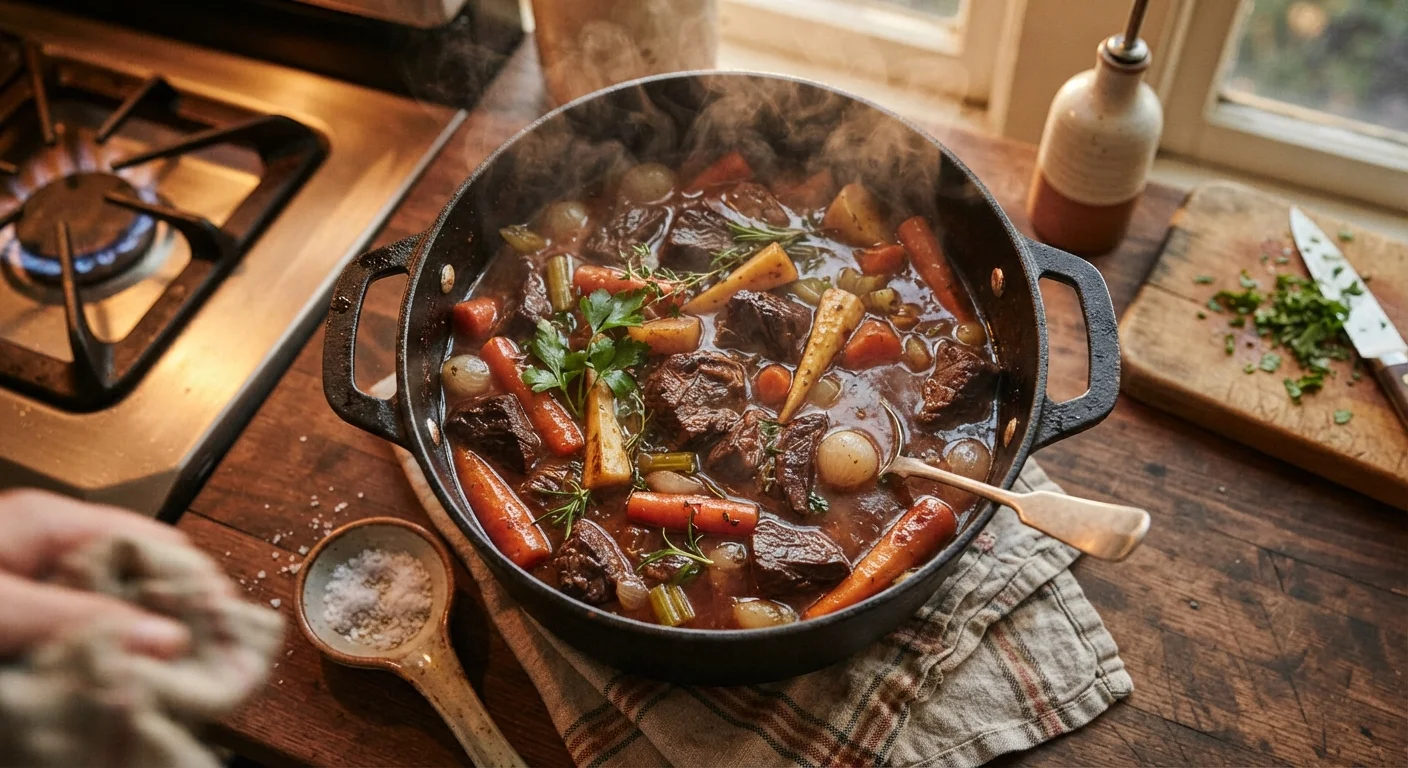
Photo credit: seeksmartgrowth.com
In this article
Discover why budget-friendly cuts like chuck, shank, and thighs often outperform pricier options when cooked the right way.
Key Takeaways
- Cuts with more connective tissue and fat develop deeper flavor when cooked low and slow.
- Beef chuck, pork shoulder, chicken thighs, and lamb shank regularly cost less than their premium counterparts.
- Collagen from connective tissue converts to gelatin during braising, creating rich, silky sauces.
- Choosing cheaper cuts and matching them to the right cooking method can cut a family's meat budget significantly.
- Most affordable cuts freeze well, making them practical for batch cooking and planned meals.
What makes a cut "cheap" in the first place
Meat pricing follows demand, not nutrition or flavor. Cuts from muscles that do a lot of work during the animal's life, such as the shoulder, leg, and shank, develop more connective tissue and fat marbling than muscles that stay relatively still, like the tenderloin. Because quick cooking methods can't tenderize those tougher cuts, they historically sold for less. Meanwhile, cuts that could be grilled fast and served in restaurants commanded higher prices.
That gap between price and flavor potential is where budget-conscious cooks find real value. Stretching a grocery budget without sacrificing flavor often starts at the meat counter, where choosing a chuck roast over a ribeye can cut spending by half or more per pound without sacrificing a satisfying meal.
The science behind flavor in well-worked muscles
Muscles that work harder contain more myoglobin, the protein that stores oxygen and gives meat its dark color. More myoglobin means more pronounced meaty flavor. This is why chicken thighs taste more assertive than chicken breast, and why beef chuck has a deeper taste than beef tenderloin.
Connective tissue adds another dimension. It is largely made of collagen, and when collagen is held at temperatures around 160 to 180 degrees Fahrenheit over an extended period, it converts to gelatin. Gelatin coats the palate, makes sauces glossy and thick, and gives meat a tender, almost melting texture. None of that is possible with a quick sear on high heat, which is why a well-braised chuck roast genuinely outperforms an overcooked premium steak in terms of depth of flavor.
50%+
Potential savings: chuck vs. ribeye per pound
Grocery pricing varies by region and retailer, but beef chuck typically costs significantly less per pound than ribeye or tenderloin cuts at most U.S. supermarkets.
160-180°F
Temperature range for collagen-to-gelatin conversion
Food science references consistently identify this sustained temperature range as the point at which collagen in connective tissue breaks down into gelatin during slow cooking.
3-4 hours
Typical braise time for beef chuck
Most culinary references and recipe testing indicate that beef chuck reaches optimal tenderness after three to four hours of covered, low-heat braising in liquid.
Fat also matters. Intramuscular fat, the kind woven through a shoulder or thigh, bastes the meat from the inside as it cooks, carrying fat-soluble flavor compounds throughout the cut. Premium lean cuts lack this self-basting quality, which is why they can taste flat if not prepared carefully.
Cuts worth knowing and how to cook them
Beef chuck comes from the shoulder area and is one of the most versatile affordable cuts available. It works in braises, slow cooker stews, and pot roasts. Given three to four hours in a covered pot with liquid, it becomes fork-tender with a rich, beefy flavor that premium cuts rarely match.
Pork shoulder, sometimes labeled as pork butt, is similar in structure. Long cooking renders the fat and breaks down the collagen, producing meat that shreds easily. It adapts well to a wide range of seasoning profiles, from straightforward herb rubs to spiced preparations inspired by different regional cooking traditions.
Chicken thighs and drumsticks cost noticeably less per pound than chicken breast in most grocery stores. Because they have more fat and connective tissue, they stay moist under dry heat, braising liquid, or slow cooker conditions where breast meat would dry out. Families cooking for a crowd get more margin for error with thighs.
Lamb shank is one of the more affordable lamb cuts. The shank is the lower leg, a muscle that works constantly, so it rewards slow braising with intense flavor and a naturally rich cooking liquid. Batch cooking multiple shanks at once produces several meals from a single cooking session.
Practical tips for getting the most from these cuts
Sear before you braise
Take two to three minutes to brown the surface of a cheap cut in a hot, lightly oiled pan before adding liquid and covering. The browning reaction creates hundreds of flavor compounds that don't develop during moist cooking alone. This single step separates a flat, gray braise from one with genuine depth.
Searing the surface of a cut in a hot pan before braising adds color and a layer of roasted flavor through the Maillard reaction. It takes about five minutes and meaningfully changes the final result. After searing, deglaze the pan with a small amount of liquid to capture the browned bits, then add everything to the braising vessel.
Acid, whether from wine, tomatoes, or vinegar, helps break down muscle fibers during cooking and adds brightness to rich dishes. A small amount goes a long way and prevents the final dish from tasting heavy or one-dimensional.
Most of these cuts also freeze well both raw and after cooking. Preparing a large batch of braised beef chuck and freezing portions gives a family several future meals with almost no additional effort. That approach is detailed further in a comparison of batch cooking versus daily cooking and the cost differences between the two approaches.
Slicing against the grain when serving any tougher cut shortens the muscle fibers on the plate, which makes each bite noticeably more tender even if the internal texture is already quite soft from cooking.
Frequently Asked Questions

Author
Food & Drink Editorial Team
Food & Drink Editorial Team is the collective byline for our editorial team and contributor network. Articles published under this byline or an editorial pen name are researched, written, and reviewed according to our editorial standards for clarity, consistency, and independence before publication.
View all articles →