
Keeping Brake Pads in Good Shape: What Every Driver Should Understand
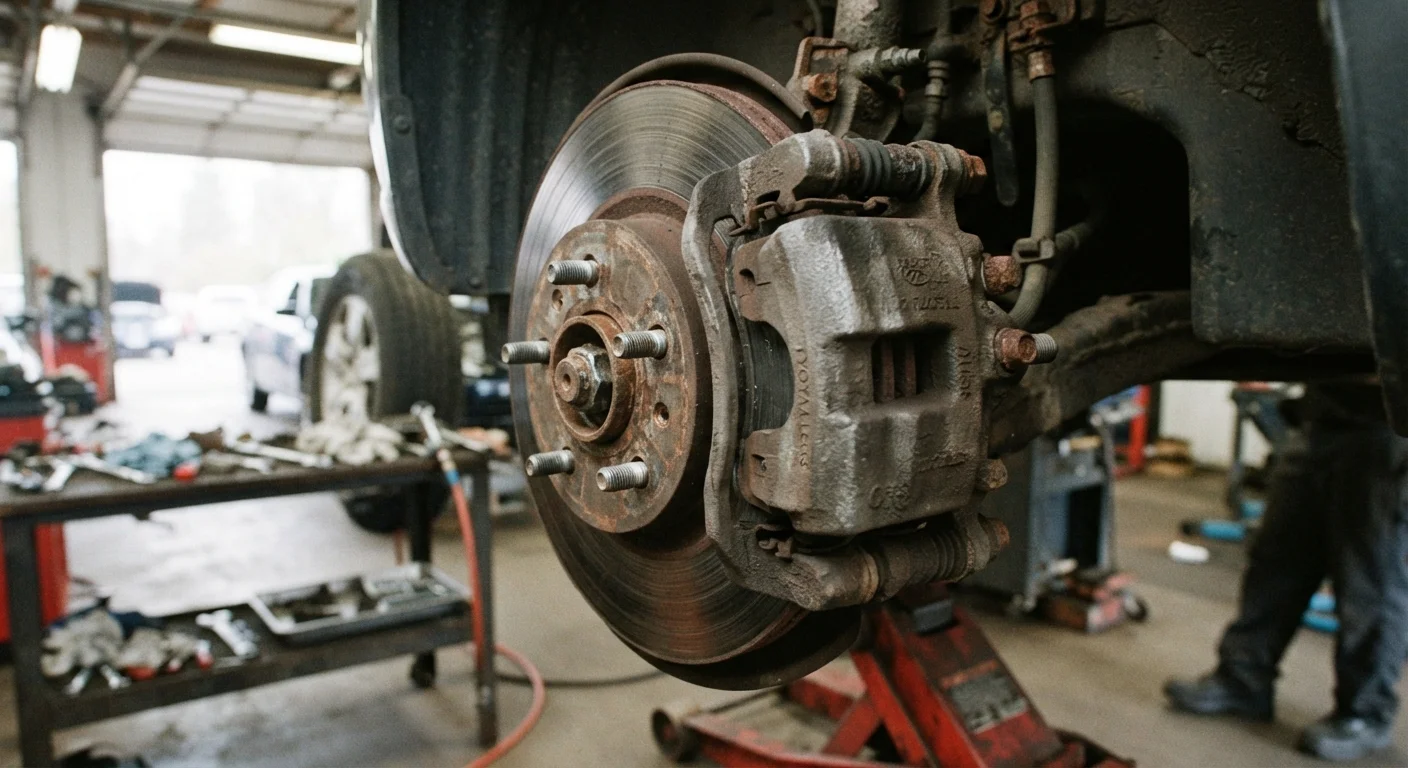
Photo credit: seeksmartgrowth.com
In this article
Squealing, grinding, or a soft pedal? Learn how brake pads wear, what warning signs mean, and when a professional inspection is essential.
Key Takeaways
- Most brake pads last between 25,000 and 65,000 miles depending on driving habits and vehicle type.
- Squealing, grinding, or a pulsing pedal are physical signals that pads need inspection soon.
- Delaying brake pad replacement accelerates rotor damage, turning a modest cost into a much larger one.
- A qualified mechanic should inspect brakes at least once a year or at every oil change interval.
How brake pads wear down
Brake pads press against a spinning metal rotor to slow a vehicle. Friction does the work, and friction gradually consumes the pad material. Most pads start with roughly 10 to 12 millimeters of usable thickness. When that material wears to about 2 to 3 millimeters, the pad is at or near the end of its service life.
Driving habits have a larger influence on wear rate than many drivers realize. Frequent hard braking, heavy city traffic, and carrying extra cargo all accelerate wear. Highway drivers who coast to decelerate often see pads last significantly longer than urban commuters covering the same mileage. Vehicle weight matters too: trucks and SUVs place more load on their braking systems than compact cars do.
Pad material also affects longevity. Organic pads tend to be softer and quieter but wear faster. Semi-metallic pads last longer under heavy use. Ceramic pads fall somewhere in between for most everyday drivers. A mechanic can advise which type matches a specific vehicle's use case. See the full car maintenance schedule for where brake inspections fit alongside other routine service intervals.
Warning signs that should not be ignored
Brakes communicate through sound, feel, and pedal behavior. A high-pitched squeal when slowing down is usually the wear indicator, a small metal tab built into the pad that contacts the rotor when material runs low. That sound is deliberate: it is a prompt to schedule an inspection, not an alarm that brakes have failed entirely.
Grinding is a more urgent signal. It typically means the pad friction material is gone and metal is contacting metal directly. At that point, rotor damage is likely already happening. Continuing to drive compounds the repair cost considerably.
Other signs worth noting:
- A pulsing or vibrating sensation through the brake pedal, which can point to warped rotors or uneven pad deposits
- The vehicle pulling to one side during braking, which may indicate uneven pad wear across an axle
- A soft or spongy pedal feel, which can involve the brake fluid or hydraulic system and warrants prompt professional attention
- Longer stopping distances than usual
None of these symptoms should be assessed by the driver alone. A qualified mechanic with a lift can measure pad thickness, inspect rotor condition, and check caliper function in ways a visual check from outside the wheel cannot.
What a visual check can and cannot tell you
On many vehicles, you can see the outer brake pad through the wheel spokes. If the pad material looks thinner than a quarter-inch, it is time for a professional measurement. However, visual checks cannot assess the inner pad, rotor surface condition, or caliper function. Treat a quick look as a reason to book an inspection, not a substitute for one.
Practices that protect pad life and your budget
The way a vehicle is driven and maintained day-to-day has a measurable effect on how long pads last and how much brake service costs over time.
Use engine braking on downhill stretches and highway exits.
Lifting off the accelerator to slow the vehicle before applying the brake pedal reduces the total friction demand on the pads. Over many miles, this preserves pad thickness and delays replacement.
Avoid carrying unnecessary weight in the vehicle.
Heavier vehicles require more braking force to stop, which increases pad wear rate proportionally. Removing roof cargo carriers, heavy gear, or unneeded items from the trunk reduces the load the brakes manage every day.
Schedule a brake inspection at every oil change, or at least once a year.
Most service shops can measure pad thickness during a routine oil change with no extra disassembly. Catching a pad at 4 millimeters gives time to plan the repair; waiting until sounds appear may mean rotors are already scored.
Allow brakes to cool after extended hard use before parking.
Stopping a vehicle and immediately setting it stationary while rotors are very hot can leave uneven deposits of pad material on the rotor surface. This causes the pulsing sensation drivers feel through the pedal later.
For drivers managing high mileage, these habits layer well with broader maintenance priorities. The longevity tips for high-mileage vehicles cover how brake health fits into keeping an older car dependable without constant costly repairs.
When to call a mechanic
Brake work involves safety-critical components. While some experienced DIYers do change pads at home, the task requires proper tools, safe vehicle support, and familiarity with brake hardware. Incorrect installation can result in brake failure. Anyone not confident in that process should leave the work to a qualified mechanic.
A professional inspection is appropriate in any of these situations: a warning sign appears (squeal, grind, pull, soft pedal), it has been 12 months or 12,000 miles since the last brake check, the vehicle is used for frequent towing or hauling, or brake fluid has not been changed in two or more years. Brake fluid absorbs moisture over time and can degrade braking performance.
Catching worn pads before they damage rotors is consistently less expensive than replacing both components. Pads alone on a single axle typically cost far less than a full pad-and-rotor service. That gap is a practical argument for inspection frequency, not just manufacturer compliance.

Author
Automobile Editorial Team
Automobile Editorial Team is the collective byline for our editorial team and contributor network. Articles published under this byline or an editorial pen name are researched, written, and reviewed according to our editorial standards for clarity, consistency, and independence before publication.
View all articles →