
Extending the Life of a High-Mileage Vehicle
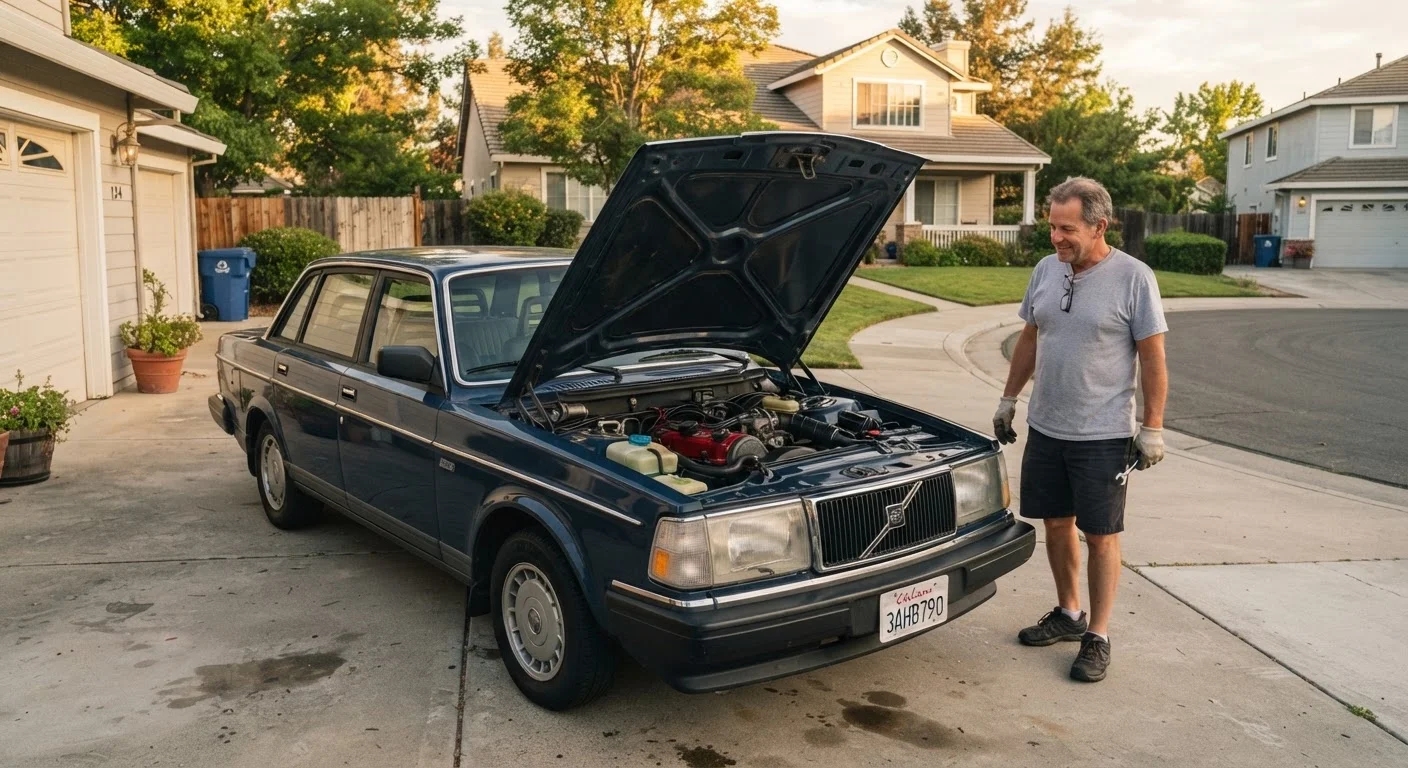
Photo credit: seeksmartgrowth.com
In this article
Practical habits and maintenance priorities that help older, high-mileage cars stay dependable without constant expensive repairs.
Key Takeaways
- Oil changes and fluid checks remain the single most cost-effective way to protect a high-mileage engine.
- Addressing small problems promptly prevents them from becoming expensive repairs later.
- Cooling system health is especially important in vehicles with over 100,000 miles on the odometer.
- Driving habits directly affect how quickly components wear on an older vehicle.
- A consistent, mileage-based maintenance schedule is more reliable than going by feel alone.
Why high-mileage vehicles deserve a different maintenance mindset
A car crossing 100,000 miles is not automatically headed for the junkyard. Many vehicles reach 200,000 miles or more with no major mechanical failures, provided the owner treats upkeep as an ongoing habit rather than a reaction to problems. The difference between a vehicle that ages well and one that becomes a money pit is usually discipline, not luck.
High-mileage vehicles do have genuine wear considerations that a newer car does not. Rubber seals, hoses, gaskets, and belts degrade over time regardless of how carefully the car was driven. Engines accumulate wear on cylinder walls and piston rings. Suspension bushings soften. None of this means failure is imminent, but it does mean the margin for skipped maintenance shrinks. Delayed maintenance affects engines in ways that compound over time, and an older engine has less reserve capacity to absorb that neglect.
The habits below address the areas where attention pays off most clearly for drivers managing a high-mileage vehicle on a practical budget.
Change oil on schedule and use the right viscosity
Engine oil breaks down with heat and use. In a high-mileage engine, worn seals and slightly wider tolerances mean the oil film protecting metal surfaces is more important than ever. Skipping or stretching oil change intervals accelerates wear on camshafts, bearings, and cylinder walls in ways that are not reversible.
Check your owner's manual for the manufacturer's recommended viscosity grade. Some high-mileage engines benefit from a slightly thicker oil, such as 10W-40 instead of 5W-30, because it maintains better film thickness across worn clearances. Your mechanic can advise whether a viscosity change makes sense for your specific engine and climate. Changing your own oil at home is one way to reduce the per-change cost while staying on schedule.
In a worn engine, the oil film protecting metal surfaces matters more than ever.
Keep the cooling system in good condition
Overheating is one of the most destructive events a high-mileage engine can experience. A single serious overheat can warp cylinder heads or crack gaskets, turning a manageable maintenance situation into a repair bill that rivals the car's value.
Coolant (also called antifreeze) degrades over time and becomes acidic, which corrodes metal components from the inside. Flushing and replacing coolant according to the manufacturer's interval protects the radiator, water pump, and heater core. Inspect the upper and lower radiator hoses for softness, cracking, or swelling, because rubber hoses deteriorate with age regardless of mileage. Replace a thermostat that causes the engine to run hotter than normal or that takes unusually long to warm up.
A single serious overheat can cause damage that rivals the car's entire value.
Watch transmission fluid and do not ignore shifting changes
Transmission repairs are among the most expensive a driver can face. Automatic transmission fluid lubricates and cools the transmission's internal components; as it degrades, it loses its protective properties and can leave varnish deposits that interfere with valve body operation.
Many transmissions have a service interval that owners skip because the fluid looks acceptable or because the manufacturer once used the phrase 'lifetime fluid.' That phrase referred to the fluid lasting the life of the fluid, not the life of the transmission. If the vehicle has never had a transmission service and has significant mileage, consult a qualified mechanic before flushing, since on a very high-mileage unit a fluid change can sometimes reveal underlying issues. Addressing a rough shift or a brief hesitation early is far less expensive than rebuilding or replacing the unit.
Addressing a rough shift early is far less expensive than rebuilding the transmission later.
Replace belts and hoses before they fail
Rubber components age whether or not the vehicle is driven hard. Timing belts, serpentine belts, and coolant hoses have finite service lives, and most manufacturers publish replacement intervals in the owner's manual or factory service documentation.
A timing belt failure on an interference engine (one where the valves and pistons occupy the same space at different times) can bend valves and destroy the engine. Serpentine belt failure strands the car by killing the alternator, power steering, and water pump simultaneously. Neither failure announces itself with a long warning period. Replacing these parts on schedule, rather than waiting for visible cracking or fraying, costs a fraction of the repair that follows a failure. If you are unsure of the service history, have a mechanic inspect the belt's condition and note the current mileage as a baseline.
A timing belt failure on an interference engine can destroy the engine without warning.
Address minor leaks and oil consumption early
High-mileage engines commonly develop small leaks at valve cover gaskets, oil pan gaskets, or rear main seals. A slow drip does not always demand immediate repair, but it does demand monitoring. An engine that burns or leaks a quart of oil between changes can run dangerously low if the driver is not checking the dipstick regularly.
Check the oil level every two to three fill-ups, not just at oil change intervals. If the car is consuming oil, establish the rate and build that check into your routine. A leak that grows from a slow drip to a steady seep should be fixed before it contaminates brake components or causes a fire risk near hot exhaust parts. Small repairs that get deferred often become larger and more expensive problems.
Check the dipstick every two to three fill-ups, not just at scheduled oil changes.
Adjust driving habits to reduce mechanical stress
How a car is driven affects how quickly its components wear. Hard acceleration from a cold start, aggressive braking, and short trips that never fully warm the engine all impose extra stress on an already-worn drivetrain.
Letting the engine idle for 30 to 60 seconds before driving off allows oil to circulate before load is applied. Gradual acceleration from a stop puts less strain on the drivetrain than full-throttle departures. Smooth braking extends brake pad and rotor life, which matters when you are trying to manage maintenance costs. On short trips, the engine rarely reaches full operating temperature, which allows moisture to accumulate in the oil and exhaust system. If most of your driving is local and short, occasional longer drives help burn off that moisture and keep seals conditioned.
Gradual acceleration and smooth braking extend component life on any high-mileage drivetrain.
Putting it all together
None of these habits requires specialized knowledge or expensive tools. Most come down to checking fluid levels regularly, following a mileage-based maintenance schedule, and fixing small problems before they grow. Deferred maintenance quietly compounds into larger repair bills, and that pattern is especially costly on a vehicle where the owner is trying to avoid a car payment.
At some point, every older vehicle reaches a threshold where repair costs begin to outweigh the car's value. If you find yourself approaching that line, walking through the repair-versus-replace decision carefully can save money in both directions.
Keep a simple maintenance log
A notebook or basic spreadsheet recording each service, the mileage at which it was done, and the parts used costs nothing and pays off when a mechanic asks about service history. It also makes it easier to spot a pattern, such as oil consumption increasing over consecutive changes, before it becomes a larger problem.

Author
Automobile Editorial Team
Automobile Editorial Team is the collective byline for our editorial team and contributor network. Articles published under this byline or an editorial pen name are researched, written, and reviewed according to our editorial standards for clarity, consistency, and independence before publication.
View all articles →