
Turning Leftovers Into a Second Meal Without It Feeling Like a Repeat
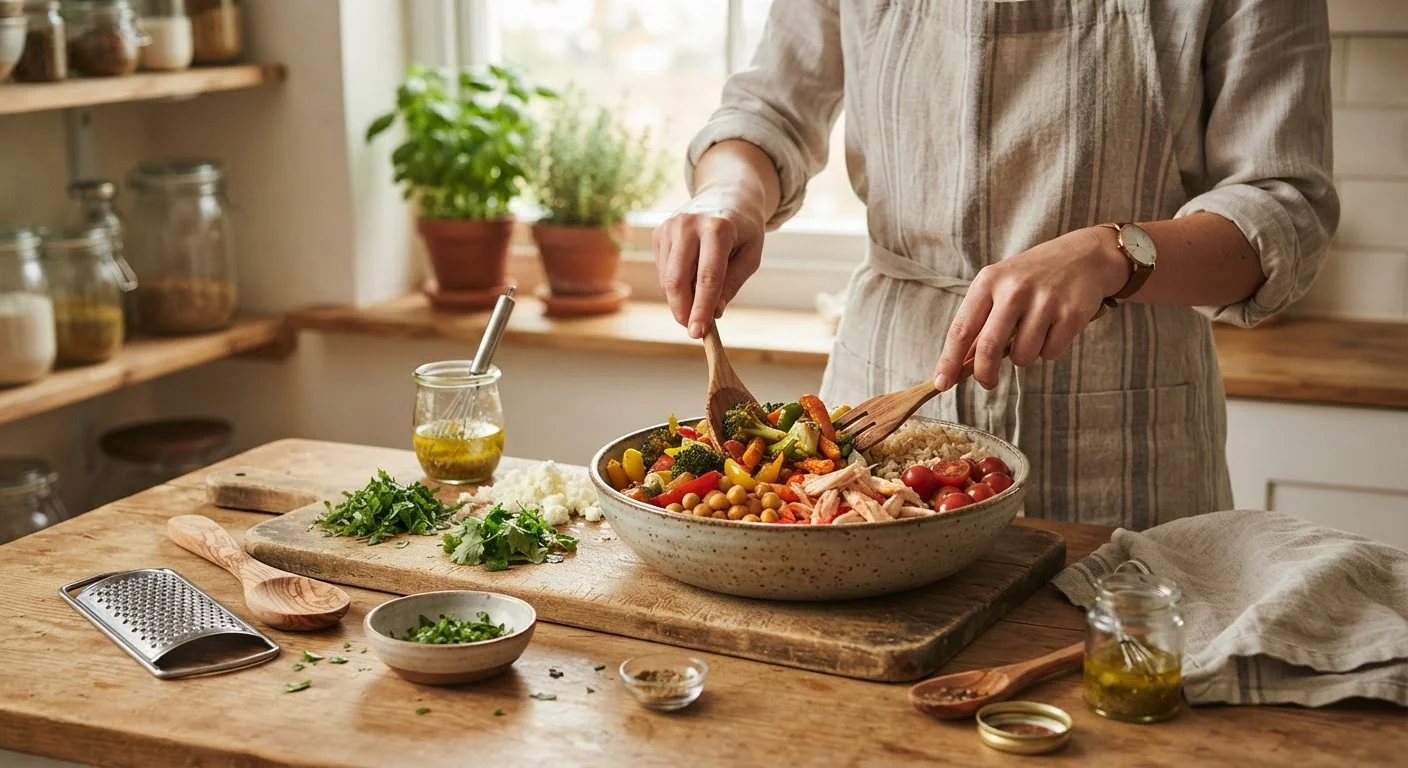
Photo credit: seeksmartgrowth.com
In this article
Step-by-step approaches for transforming last night's dinner into something that feels fresh, satisfying, and completely different.
Key Takeaways
- Changing the format of a dish, such as turning a stew into a filling, makes leftovers feel genuinely new.
- A different starch, sauce, or acid can shift the flavor profile enough to feel like a separate meal.
- Proper storage in the first 24 hours keeps leftover proteins and grains safe and useful for a second cook.
- Planning the second meal before you make the first one reduces waste and speeds up the next night's cooking.
Why leftovers feel repetitive (and how to fix that)
Leftovers feel like a repeat when you reheat the exact same dish in the exact same form. The plate looks familiar, the smell is familiar, and the family notices. The fix is not a new recipe from scratch. It is a deliberate change in format, which means presenting the same core ingredients in a different structure than the night before.
A roast chicken served with potatoes on Monday is one thing. That same chicken shredded into a quesadilla, a grain bowl, or a brothy soup on Tuesday is a genuinely different experience. The protein is identical, but the context around it changes the texture, the temperature, and the eating experience. That is what makes it feel new.
If you want a sustainable approach to reducing food waste and lowering your weekly grocery spend, see how to plan meals from scratch before you start cooking the first dinner. Planning the second meal at the same time you plan the first is the fastest way to make this habit stick.
Plan the second meal at the same time
When you cook dinner on night one, decide then what the leftovers will become. Set aside a portion before serving if possible, so it does not get mixed with sauces or sides that would limit your options the next day. This takes about thirty seconds and removes all the guesswork later.
What you need before you start
A well-stocked pantry makes leftover transformations much faster. Acids like vinegar and citrus juice, dry spices, canned tomatoes, broths, and a few different starches (tortillas, rice, pasta, bread) are the tools that let you shift a dish's flavor direction without buying anything extra. See what to keep in a well-stocked pantry for a practical reference list.
What you will need
Step-by-step: turning one dinner into two
Store leftovers properly right after dinner
Transfer cooked food into shallow, airtight containers within two hours of cooking. Shallow containers let food cool faster in the refrigerator, which slows bacterial growth. Label each container with the date so you know exactly how much time you have. Cooked proteins and grains are generally safe for three to four days when refrigerated at 40 degrees Fahrenheit or below, according to food safety guidance from the USDA.
Identify what you have and pick a new format
Before you open the refrigerator the next day with no plan, decide on the format change first. Ask what structure is different from last night. If dinner was a plate with a protein and two sides, the second meal might be a wrap, a soup, a stir-fry, or a baked dish. The format determines which pantry additions you need, so settle on it early.
- Soup or stew: needs broth, aromatics, and possibly a starch
- Tacos or wraps: needs a tortilla, an acid (lime, vinegar), and a topping
- Fried rice or grain bowl: needs eggs or a sauce and any leftover grain
- Frittata or baked egg dish: needs eggs, a baking dish, and oven time
Change at least two sensory elements
Format alone is sometimes enough, but changing two sensory elements (texture, temperature, dominant flavor, or color on the plate) reliably makes the second meal feel distinct. For example, if the first meal was warm and savory with a brown sauce, make the second meal bright with acid and some crunch. Add pickled onions, a squeeze of lime, or fresh herbs. Swap a heavy starch for a lighter one. These changes cost very little and take under five minutes.
Reheat only what you will eat
Reheat only the portion you plan to serve, not the full container. Reheating food multiple times degrades texture and, more importantly, increases the risk of uneven temperature during reheating, which can leave cold spots where bacteria can survive. Portion out what you need, reheat it to 165 degrees Fahrenheit throughout, and return the rest of the container to the refrigerator untouched.
Taste and re-season before serving
Cold storage mutes seasoning. Food that tasted well-seasoned on Monday will often taste flat on Tuesday. Before serving, taste the dish in its final form and adjust salt, acid, and heat. A pinch of salt, a few drops of hot sauce, or a squeeze of lemon can fully revive a dish that tastes dull straight from the refrigerator. This is the step most people skip, and it is why the second meal disappoints.
Common leftover combinations that work well
Some leftover types convert more reliably than others. Braised or stewed meats (pulled pork, pot roast, chicken thighs) have enough moisture and fat to hold up in tacos, sandwiches, fried rice, or pasta sauce without drying out. Cooked grains like rice and farro reheat well when you add a splash of water or broth and cook them over medium heat. Roasted vegetables work in frittatas, flatbread toppings, or blended into a quick soup with stock and seasoning.
Where leftover transformations tend to fail is with proteins that were cooked to an already-firm texture, such as overcooked chicken breast or well-done steak. These can be saved by slicing thin and adding them to something with enough sauce or moisture to compensate. A strongly seasoned sauce, a vinaigrette, or a braise finish can mask the toughness.
For broader strategies on keeping your grocery spend in check while still cooking variety, stretching a grocery budget without sacrificing flavor covers ingredient selection and cost-per-serving thinking that pairs well with a leftovers-first approach. If you want to look at how cooking in larger quantities fits into this, batch cooking versus daily cooking walks through the tradeoffs for different household types.

Author
Food & Drink Editorial Team
Food & Drink Editorial Team is the collective byline for our editorial team and contributor network. Articles published under this byline or an editorial pen name are researched, written, and reviewed according to our editorial standards for clarity, consistency, and independence before publication.
View all articles →