
Meal Planning From Scratch: A Family's Starting Point
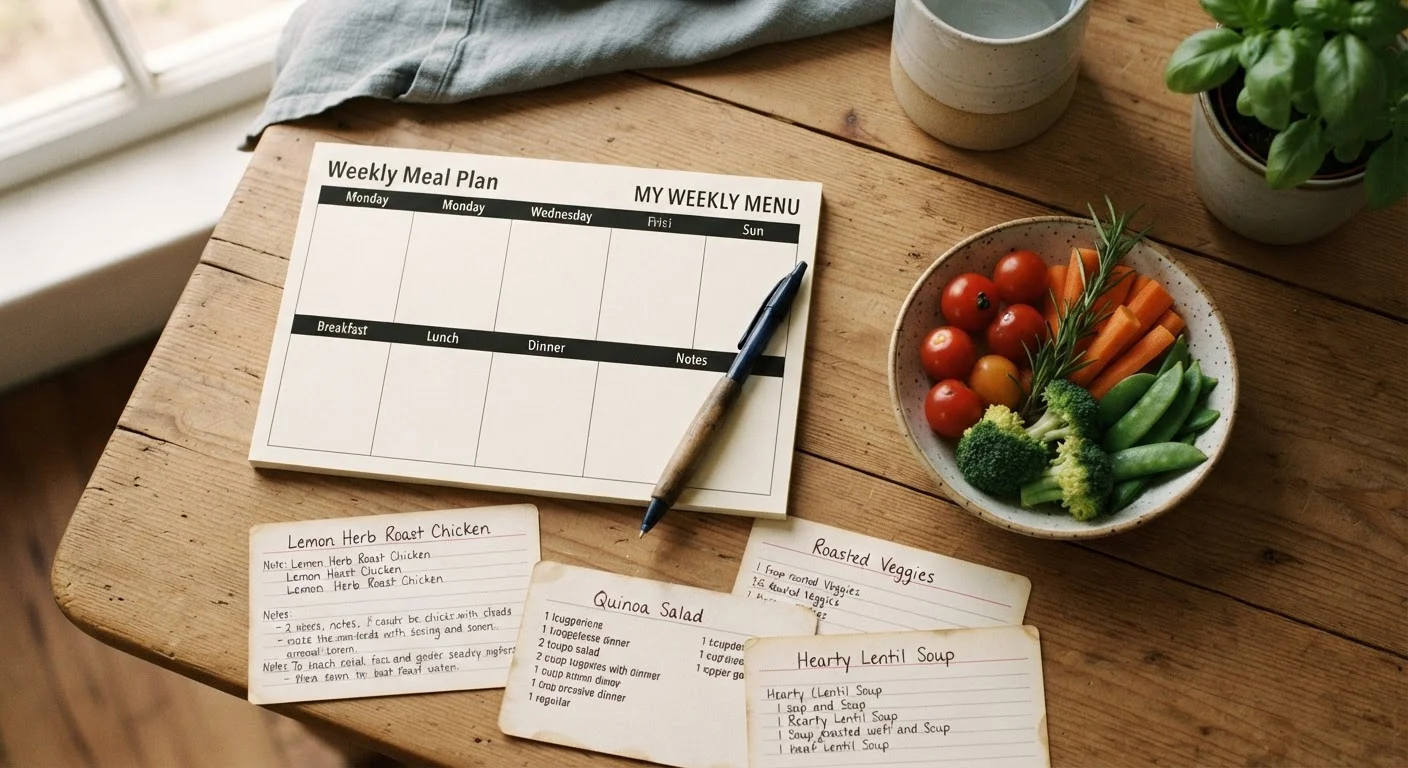
Photo credit: seeksmartgrowth.com
In this article
New to meal planning? This guide walks families through the basics of organizing weekly dinners, reducing waste, and shopping smarter.
Key Takeaways
- Planning meals before you shop reduces impulse purchases and total grocery spend.
- A simple weekly template with five to six dinners is enough to start.
- Overlapping ingredients across multiple meals cuts waste and stretches your budget.
- Keeping a short pantry inventory makes writing each week's list much faster.
- Flexibility matters: leaving one or two nights open prevents the plan from feeling rigid.
Why meal planning works for families
Families who plan meals before shopping consistently buy less food they don't use. The logic is straightforward: when you know Tuesday is chicken tacos and Thursday is pasta, you buy those ingredients and skip the extras that pile up and spoil. The result is a smaller grocery bill and less food in the bin on Sunday.
There is also a decision fatigue factor. Asking "what's for dinner?" every evening costs mental energy and often ends in takeout. A plan removes that question. For a clearer picture of what unplanned meals actually cost a family, the comparison in takeout versus home cooking for a family of four is worth reading before you start.
How to set up your first weekly plan
Pick one day to plan, usually the day before your main shopping trip. A Sunday plan paired with Sunday or Monday shopping is a common rhythm. Start with five or six dinners rather than seven; leave one or two nights open for leftovers or a simple backup meal.
Write down what your family actually eats, not what you think they should eat. Pull from that list first. Then add one or two new recipes you want to try, spread across the month rather than all in one week. Assign meals to days based on what is scheduled: a busier Wednesday gets a 20-minute meal, a relaxed Saturday gets something that takes longer.
For families building out their pantry at the same time, stocking a pantry for easier weeknight dinners outlines the staples that give you flexibility without requiring a large upfront spend.
Building a grocery list that actually holds
Once the week's meals are written down, go through each recipe and list every ingredient. Then check what you already have. Cross off what is in the pantry, fridge, or freezer. What remains is your actual shopping list.
Group the list by store section: produce, dairy, meat, dry goods. This keeps you moving through the store without backtracking, which reduces the time you spend near unplanned items. Writing the list in aisle order takes two extra minutes and tends to cut impulse purchases.
Strategies for getting more out of each dollar at the store are covered in detail in stretching a grocery budget without sacrificing flavor.
Cutting waste without extra effort
The most practical way to reduce waste inside a meal plan is to overlap ingredients across meals. If one dinner uses half a head of cabbage, plan a second meal that week which uses the rest. The same works for fresh herbs, canned goods opened mid-week, and proteins bought in larger packs.
Leftovers are a second opportunity rather than a burden. Thursday's roasted chicken can become Friday's grain bowl or Saturday's soup base. Turning leftovers into a second meal has concrete methods for making that transition feel like a different dish rather than a repeat.
Keeping the habit going
The first few weeks of meal planning are the hardest because the habit is not yet automatic. Two things help: keeping the plan visible (a notepad on the fridge works better than a buried phone note) and making the weekly planning session short and fixed in time.
If a week falls apart, do not abandon the system. Review what went wrong and adjust one thing. A plan that was too ambitious moves to fewer meals. A plan that didn't account for a busy Wednesday shifts that slot to something simpler. The goal is a working system, not a perfect one.
Meal planning also connects to broader weekly routines. If your family is working on balancing food, activity, and rest together, the framework in building a weekly wellness routine on a tight schedule pairs well with what you are building here.
Frequently Asked Questions

Author
Food & Drink Editorial Team
Food & Drink Editorial Team is the collective byline for our editorial team and contributor network. Articles published under this byline or an editorial pen name are researched, written, and reviewed according to our editorial standards for clarity, consistency, and independence before publication.
View all articles →