
Houseplants as Decor: What Works and What Creates More Work
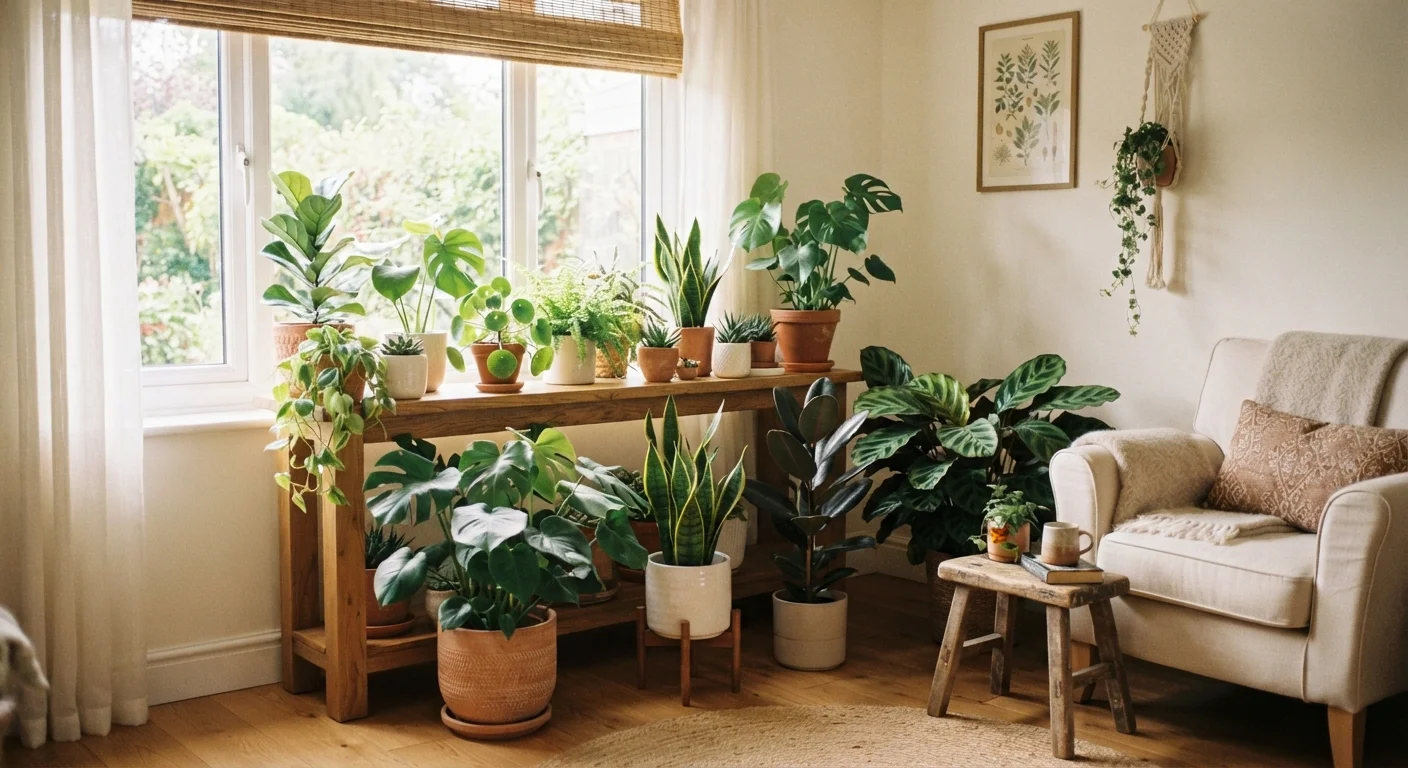
Photo credit: seeksmartgrowth.com
In this article
A balanced look at using indoor plants to style a home, including realistic care demands and low-maintenance options.
Key Takeaways
- Houseplants add color, texture, and perceived warmth to a room at a relatively low upfront cost.
- Care demands vary widely by species, and choosing the wrong plant for your light conditions is the most common mistake.
- Low-maintenance options like pothos, snake plants, and ZZ plants suit busy households with limited natural light.
- Overwatering causes more houseplant deaths than neglect, so less frequent attention is often better.
- Pot choice and placement affect the decor impact as much as the plant itself.
Adds color and texture at low cost
A single plant in a well-chosen pot can fill a visual gap that would otherwise require spending more on art or decorative objects. Propagation from existing plants costs nothing at all.
Creates vertical and horizontal layering
Tall floor plants, mid-height shelf plants, and trailing species at different heights give a room layered visual interest that furniture alone rarely achieves.
Increases indoor humidity passively
Plants release moisture through transpiration, which can raise humidity in dry, heated rooms during winter without requiring a humidifier.
Personalizes rented or temporary spaces
Plants require no permanent alterations to walls or floors, making them one of the few decor tools that work in any living situation, including rentals with strict rules.
Propagates easily into free new plants
Species like pothos, spider plants, and heartleaf philodendron produce cuttings or offshoots that root in water and can fill additional spots in the home at no extra cost.
Many popular species require specific light
Fiddle-leaf figs, monsteras, and most flowering plants need consistent bright indirect light that many rooms simply do not provide. Buying without assessing light conditions leads to fast decline.
Toxic to pets and young children
Pothos, philodendron, peace lily, and many other common species are toxic if ingested. Households with pets or toddlers face real placement constraints and may need to avoid certain genera entirely.
Overwatering is easy and often fatal
Root rot from excess water is the leading cause of houseplant death indoors. The damage is internal and usually irreversible by the time leaves show symptoms.
Pests can spread between plants quickly
Spider mites, fungus gnats, and scale can transfer from one plant to others nearby. A small infestation in a new plant can become a larger problem across a whole collection within weeks.
Seasonal care adjustments are easy to miss
Watering and light needs shift between summer and winter. Without adjusting the routine, plants decline gradually in ways that look like disease but are actually care mismatch.
Large plants limit furniture arrangement
A floor plant that needs good light must stay near a window, which can restrict where furniture goes and conflict with furniture rearrangement plans.
Why plants keep showing up in decorating advice
Plants do something that most decor objects cannot: they change over time. A trailing pothos grows longer across a shelf. A fiddle-leaf fig fills a bare corner over months. That living quality gives a room a sense of energy that printed textiles or ceramic vases rarely match.
They also cost less than comparable decorative impact from other sources. A four-inch succulent in a well-chosen pot can anchor a side table the way a $40 sculpture might. For families working within tight budgets, that value ratio matters. The room-by-room decorating guide covers this principle across every space in the home.
Plants also respond to placement decisions in ways that static objects do not. A tall snake plant beside a low sofa creates vertical contrast. A cluster of small plants on a windowsill adds depth. These are real design tools, not just accessories.
The honest advantages
Adds color and texture at low cost
A single plant in a well-chosen pot can fill a visual gap that would otherwise require spending more on art or decorative objects. Propagation from existing plants costs nothing at all.
Creates vertical and horizontal layering
Tall floor plants, mid-height shelf plants, and trailing species at different heights give a room layered visual interest that furniture alone rarely achieves.
Increases indoor humidity passively
Plants release moisture through transpiration, which can raise humidity in dry, heated rooms during winter without requiring a humidifier.
Personalizes rented or temporary spaces
Plants require no permanent alterations to walls or floors, making them one of the few decor tools that work in any living situation, including rentals with strict rules.
Propagates easily into free new plants
Species like pothos, spider plants, and heartleaf philodendron produce cuttings or offshoots that root in water and can fill additional spots in the home at no extra cost.
Beyond aesthetics, plants add humidity to dry indoor air, which can feel noticeably more comfortable during winter months when heating systems dry out a home. This is a passive benefit that requires no effort beyond normal plant care.
Plants also give renters a way to personalize a space without altering walls or fixtures. If neutral walls make decorating harder in your rental, a grouping of plants in front of them adds color and life without a single nail hole.
The real disadvantages
Many popular species require specific light
Fiddle-leaf figs, monsteras, and most flowering plants need consistent bright indirect light that many rooms simply do not provide. Buying without assessing light conditions leads to fast decline.
Toxic to pets and young children
Pothos, philodendron, peace lily, and many other common species are toxic if ingested. Households with pets or toddlers face real placement constraints and may need to avoid certain genera entirely.
Overwatering is easy and often fatal
Root rot from excess water is the leading cause of houseplant death indoors. The damage is internal and usually irreversible by the time leaves show symptoms.
Pests can spread between plants quickly
Spider mites, fungus gnats, and scale can transfer from one plant to others nearby. A small infestation in a new plant can become a larger problem across a whole collection within weeks.
Seasonal care adjustments are easy to miss
Watering and light needs shift between summer and winter. Without adjusting the routine, plants decline gradually in ways that look like disease but are actually care mismatch.
Large plants limit furniture arrangement
A floor plant that needs good light must stay near a window, which can restrict where furniture goes and conflict with furniture rearrangement plans.
The gap between how a plant looks in a store and how it performs in a specific home is the source of most disappointment. Retailers display plants under grow lights in controlled humidity. A north-facing apartment living room is a very different environment.
Pets and small children add another layer of concern. Many popular houseplants, including pothos and philodendron, are toxic if ingested. Households with curious toddlers or cats need to research toxicity before buying, and may find their placement options are sharply limited. The decorating mistakes that shrink rooms article addresses how misplaced objects, including plants, can reduce a room's perceived size.
Choosing plants that actually fit your home
Start with your light, not with the plant you want. Stand in each room at noon and observe where direct sun falls, where it does not reach, and how long bright indirect light lasts. Most houseplant failures trace back to mismatch here.
Matching plant to room before you buy
Before purchasing any plant, identify the light level in the intended spot using a simple observation: does direct sun touch that surface at any point during the day? If not, limit your selection to species rated for low to medium indirect light. Buying a sun-loving plant for a dim corner is the single most avoidable mistake in indoor plant decorating. Many garden centers label plants with light requirements, and those labels are worth reading carefully.
For low-light rooms, snake plants (Sansevieria), ZZ plants (Zamioculcas zamiifolia), and cast iron plants (Aspidistra elatior) are among the most tolerant species available. In brighter rooms, pothos, heartleaf philodendron, and spider plants adapt well to a range of conditions and recover from occasional missed waterings.
Pot selection shapes the visual result as much as the plant itself. A plain nursery pot inside a woven basket reads as intentional and finished. Matching pot materials across a room (all terracotta, or all matte ceramic) gives a grouped collection a coherent look without additional effort. See the thrift store finds guide for sourcing pots and baskets secondhand.
Maintenance in realistic terms
Most houseplant care advice overstates complexity. For tolerant species, the actual routine is: check the soil once a week, water only when the top inch is dry, wipe leaves monthly to remove dust, and move a struggling plant toward more light rather than adding fertilizer. That is roughly ten minutes a week for a small collection.
The most common mistake is overwatering. Soggy soil causes root rot, which is usually fatal to the plant by the time it becomes visible. A moisture meter (widely available for a few dollars) removes the guesswork for new plant owners.
Seasonal changes affect watering frequency. Plants need less water in winter when growth slows, and more in summer. Forgetting this adjustment accounts for a significant share of plant losses in home settings.

Author
Home Decor Editorial Team
Home Decor Editorial Team is the collective byline for our editorial team and contributor network. Articles published under this byline or an editorial pen name are researched, written, and reviewed according to our editorial standards for clarity, consistency, and independence before publication.
View all articles →