
Thrift Store Finds That Look Expensive in Any Home
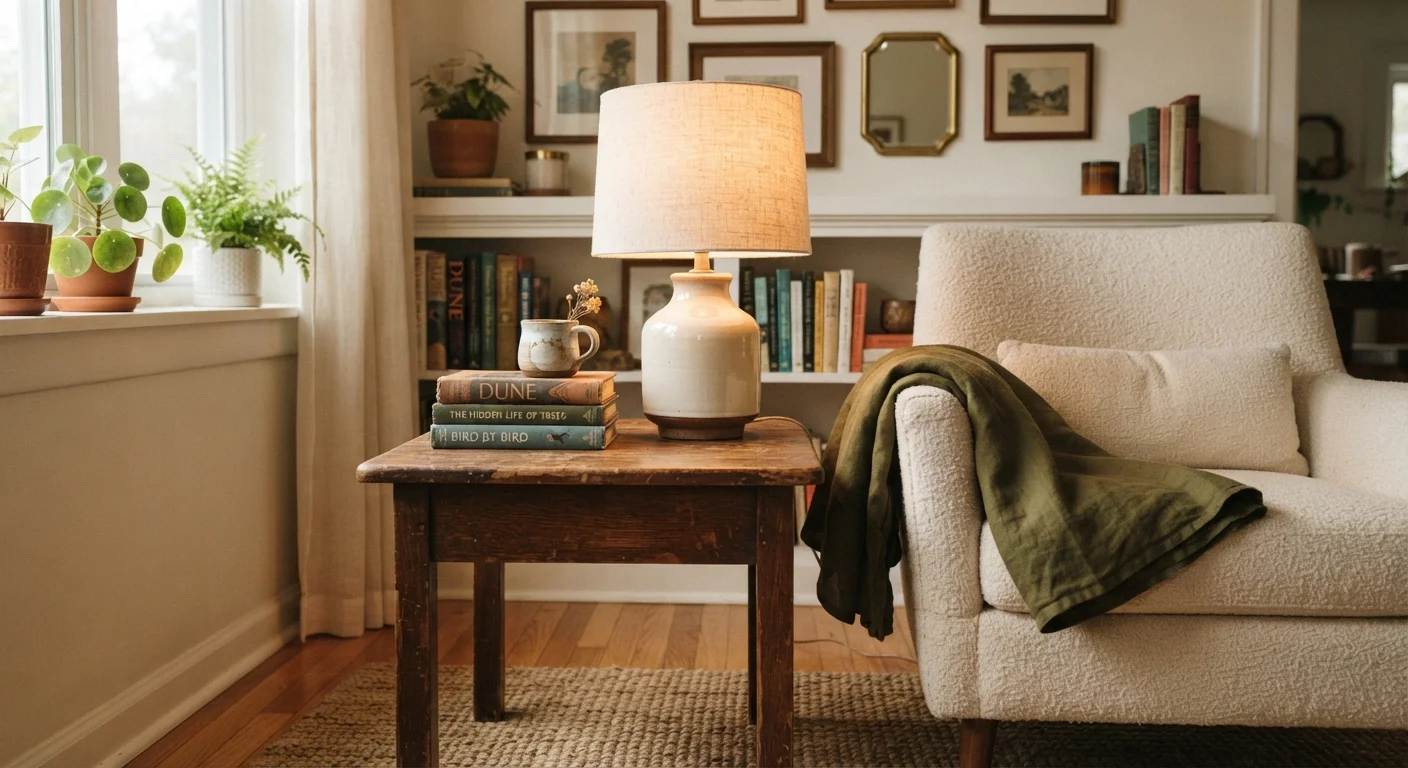
Photo credit: seeksmartgrowth.com
Discover which secondhand items translate best into polished, put-together rooms and why they work so well.
Key Takeaways
- Solid wood furniture from thrift stores holds up well and takes paint or stain easily.
- Ceramic and glass vessels photograph and style exactly like expensive decor when cleaned up.
- Framed art and mirrors cost a fraction secondhand yet carry the same visual weight as new pieces.
- Linen, cotton, and wool textiles age well and blend into most room palettes without effort.
- The secret is editing ruthlessly: a few strong thrift finds beat a shelf full of mismatched clutter.
Why the thrift store works for home decor
Home decor moves in cycles. What felt dated a decade ago looks considered and collected today, and thrift stores are where those cycles accumulate. Unlike furniture built for a single season, older pieces were often made with thicker wood, heavier ceramic, and denser fabric than comparable new items at the same price point.
The challenge is knowing what to look for. Not every secondhand find translates into a polished room. Certain categories, though, consistently punch above their price because their materials age gracefully, their forms are classic, and a little cleaning or minor repair is all they need. The list below covers the eight finds that reliably work, along with practical guidance on how to use each one. For a fuller picture of how to fit these pieces into every room, see the room-by-room decorating guide.
Solid wood side tables and accent tables
Small tables in solid wood are one of the most reliable thrift finds. The forms, tapered legs, round tops, simple aprons, have remained in production for decades precisely because they work in almost any room. A table that looks worn can often be sanded lightly and given a fresh coat of paint or a wipe of stain in an afternoon.
Check the joints before buying. A wobbly table usually just needs wood glue and a clamp. Avoid pieces where the top has deep water damage that has lifted the grain beyond sanding, or where laminate or veneer is peeling from particleboard underneath. Solid wood only.
A lightly sanded and restained solid wood table looks the same as anything sold new at three times the price.
Ceramic and stoneware vessels
Thrift stores almost always have a shelf of ceramic pitchers, bowls, vases, and crocks. These photograph like high-end decor, hold up to daily handling, and clean up completely with a soak and a scrub brush. The forms that work best in a room, clean cylinders, simple rounded bowls, organic asymmetrical vases, are the same forms that have been produced for generations.
Avoid pieces with hairline cracks if you plan to use them for liquids or food. For pure display or as vases, hairline cracks are a non-issue. A grouping of three ceramics in related tones on a shelf or sideboard reads as a deliberate styling choice rather than a random collection.
A grouping of thrifted ceramics in related tones looks deliberate and costs almost nothing to assemble.
Framed mirrors
A mirror does specific work in a room: it bounces light, creates depth, and adds a finished vertical element to a wall. Thrift stores cycle through framed mirrors constantly, in sizes that would cost significantly more new. Ornate gilded frames, simple wood frames, and minimal metal frames all work depending on your room's tone.
Check that the mirror glass is not fogged or silvered at the edges. Minor surface spots can be acceptable on a piece used for decoration rather than daily grooming. If you love the frame but dislike the glass, a local glass shop can cut a replacement for a modest fee. Common decorating mistakes include using mirrors that are too small for a wall: aim for a piece that feels proportionate rather than timid.
A well-proportioned thrifted mirror adds light and depth to a room at a fraction of retail price.
Linen and cotton textiles
Natural fiber textiles, tablecloths, napkins, pillow covers, lightweight throws, show up regularly in thrift stores because households cycle through them quickly. Linen in particular ages well: it softens with washing rather than degrading. A linen tablecloth used as a window panel, a set of cotton napkins rolled into glasses on a shelf, or a vintage throw draped over a reading chair all carry a quality signal that synthetic alternatives rarely match.
Wash everything before use. Check for staining under good light at the store. Fading or minor pilling is generally fine; set stains that survived previous laundering are harder to remove. Stick to natural undyed tones or single solid colors for the most flexible pieces.
Linen softens with each wash, which means a thrifted piece often looks better than it did when it was new.
Framed artwork and prints
Original art from thrift stores is genuinely unpredictable, which is part of what makes it interesting. Small oil paintings, watercolors, and limited-edition prints appear regularly and cost a fraction of what galleries charge. Even when the subject matter is not exactly what you would have chosen, a piece with a confident technique and a good frame carries a room differently than mass-produced wall decor.
The frame itself has value independent of what is inside it. A solid wood or metal frame in good condition can be repurposed with a new print, a piece of textured paper, or even a fabric backing. Consider art across a wall as a gallery rather than isolated pieces. A room-by-room approach to decorating can help you decide where a gallery wall fits most naturally in your home.
A thrifted frame in good condition can hold anything you want, making it worth buying for the frame alone.
Glass and crystal vessels
Heavy glass bowls, decanters, and candleholders catch light in ways that plastic and thin glass cannot. They read as intentional table styling and double as functional objects. A glass decanter filled with water on a dining table, a heavy bowl holding fruit in a kitchen, a cluster of glass candleholders on a mantle: each takes seconds to arrange and works without any additional styling.
Inspect for chips along the rim, which can be sharp and are difficult to repair. A small chip on the base or an inconspicuous side is cosmetically acceptable. Run your finger along any rim that will contact food or lips before buying.
Heavy glass catches light in a way that immediately signals quality, regardless of where it was purchased.
Wooden trays and cutting boards
A wooden tray organizes objects on a coffee table, ottoman, or dresser in a way that makes a collection of smaller items read as a single composed vignette. Thrift stores stock them in quantity and in sizes that work across rooms. Older boards and trays in solid wood often have more character than new versions. A light sanding and a wipe of food-safe oil revives the surface completely.
Avoid trays with deep gouges or burned-in stains if you plan to use them for food service. For pure display, surface imperfections that face down or sit against a wall are irrelevant. Pair a tray with two or three of the ceramic or glass pieces described above and the result is a composed surface that looks deliberately styled.
A wooden tray turns a scattered collection of objects into a single composed vignette on any surface.
Table and floor lamps
Lamp bases in ceramic, brass, or wood come through thrift stores regularly. The shade is the variable: many secondhand lamps arrive with shades that are yellowed, bent, or stained. Budget for a replacement shade, which is available new for a modest cost and transforms the entire piece. A solid ceramic base with a fresh white or cream shade looks current in almost any room.
Check that the cord is intact and that the socket functions before buying. For lamps with frayed cords or broken sockets, rewiring is a straightforward job for an electrician but adds to the overall cost. Factor that in at the price evaluation stage. Good lighting changes how a room reads at every hour of the day, and thrifted lamp bases make that possible without a large upfront cost. For ideas on how plants can complement a lamp-styled vignette, see houseplants as decor.
A thrifted ceramic lamp base paired with a new shade costs a fraction of a comparable new lamp.
Putting it all together
The single habit that separates a thrift haul that looks expensive from one that looks chaotic is editing. Bring home fewer pieces chosen with care rather than everything that catches your eye. A room styled with one confident ceramic lamp, a solid wood side table, and a well-chosen mirror will read as intentional. The same room packed with twenty impulse buys will not, regardless of what each item cost.
Color is the other lever. When thrifted pieces share a limited palette, even mismatched styles settle into the same visual family. Stick to two or three tones across your selections and the room will hold together. If a piece is the right form but the wrong color, paint or a new stain is usually a straightforward fix on wood and metal. For guidance on how furniture placement affects the way a room reads, the furniture arrangement guide covers proportion and flow in practical terms.
Inspect before you buy
Good light is your best tool at a thrift store. Use the flashlight on your phone to check the underside of wood pieces for structural damage, run your fingers along ceramic rims for chips, and hold textiles up to the light to catch stains. A two-minute inspection prevents bringing home a piece that cannot be fixed.

Author
Home Decor Editorial Team
Home Decor Editorial Team is the collective byline for our editorial team and contributor network. Articles published under this byline or an editorial pen name are researched, written, and reviewed according to our editorial standards for clarity, consistency, and independence before publication.
View all articles →