
The Room-by-Room Guide to Decorating on a Budget
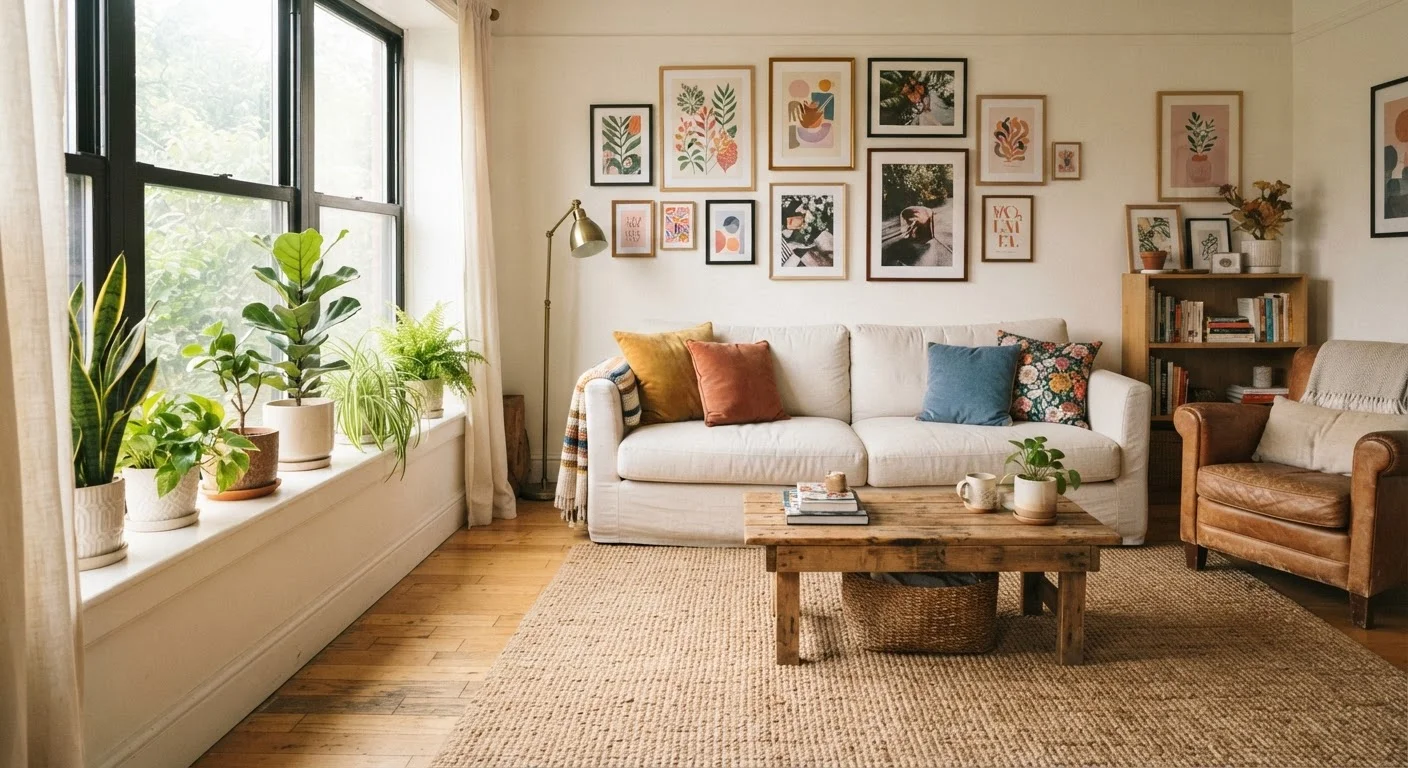
Photo credit: seeksmartgrowth.com
In this article
A practical walkthrough for giving every room in your home a fresh, stylish look without overspending.
Key Takeaways
- A written room plan helps you avoid impulse purchases that create visual clutter.
- Rearranging furniture and repainting one wall can transform a room at near-zero cost.
- Lighting upgrades are among the most affordable ways to change how a room feels.
- Secondhand and thrift sources consistently produce high-quality decorative pieces at low prices.
- Color choices in textiles and accents can do the work that expensive furniture often cannot.
Start with a plan, not a shopping list
Most budget decorating goes wrong before a single purchase is made. Without a clear picture of what a room needs, spending tends to scatter across items that do not work together, and the result is more clutter than character.
The most useful first step is writing down what function each room serves, what currently bothers you about it, and what one or two changes would make the biggest difference. This narrows your focus immediately. A bedroom that feels cold probably needs warmer textiles, not new furniture. A living room that feels chaotic may need fewer objects, not more.
Before spending anything, rearrange your existing furniture to test new layouts. Proportion and flow account for a large share of how a room feels, and adjusting them costs nothing. Similarly, check whether common layout errors are working against your space before you go looking for solutions to buy.
Assign a per-room budget before shopping. Even a rough number prevents over-spending in one room and leaving others untouched.
Before buying a single item, photograph each room and review the images on a small screen. What looks cluttered or bare in a photo will look the same to guests entering the room.
A photograph flattens space the same way a viewer's first impression does, making imbalances easier to spot than they are when you are standing inside the room.
Buy one quality lamp shade and move it between rooms to test placement before committing to a location. Shade shape and opacity change a room's atmosphere more than the bulb alone.
Lampshade material and shape control the direction and softness of light, and these variables are often underestimated when planning a room's lighting.
Living room: maximum impact, minimum spend
The living room gets the most use and the most eyes, so it is the right place to concentrate effort. The good news is that several high-impact changes here are inexpensive.
Lighting is the fastest lever. Swapping a harsh overhead bulb for a warmer-toned option, or adding a floor lamp in a dim corner, changes the mood of the room substantially. Warm white bulbs (around 2700K) make most living spaces feel more comfortable without any other change.
A gallery wall built from secondhand frames and printed photographs or illustrations can anchor a blank wall for very little money. Frames do not need to match; grouping them by similar tone or finish creates coherence. Thrift stores reliably supply frames, mirrors, and small decorative objects that photograph as intentional and considered.
Textiles do a lot of work in a living room. A throw blanket and two or three coordinating cushion covers refresh a sofa without replacing it. Understanding how colors interact before you shop saves money on returns. Color theory basics explain why certain combinations feel balanced and others feel off, which is useful when mixing secondhand finds.
Houseplants add life to a room at low cost, though their ongoing care demands vary. A single large-leafed plant in a corner often reads as more intentional than several small ones scattered around.
Kitchen and dining area: small changes, big shift
Kitchens and dining areas are often the hardest rooms to decorate on a budget because structural changes are expensive and typically require permits or licensed trades. The practical strategy here is to work with surfaces and accessories, not structure.
Cabinet hardware is one of the highest-return swaps available. Replacing dated handles and pulls with a consistent style modernizes the look of a kitchen without touching the cabinets themselves. This is a straightforward task for most adults, but if any wiring or plumbing runs near cabinet locations, confirm clearances before drilling.
Open shelving, where a wall already has suitable support, allows you to display dishes, glassware, or plants as decor. The key is restraint: displaying fewer, more uniform items looks deliberate, while overcrowded shelves look like storage.
In the dining area, a tablecloth or runner and matching cloth napkins shift the feel of even a basic table toward something more considered. A simple pendant light above a dining table, if an existing ceiling fixture permits a swap, draws the eye and defines the eating area as its own zone.
Electrical and plumbing work needs a professional
Swapping a light fixture or adding an outlet in a kitchen or bathroom involves electrical work that is regulated in most jurisdictions and often requires a licensed electrician and a permit. Do not attempt these changes without verifying local requirements. Incorrect wiring in wet areas is a fire and safety hazard.
Bedrooms: comfort without overspending
Bedrooms benefit most from textile investment because fabric surrounds you in that space. Quality-feeling bedding does not require a large budget; layering a duvet with a cotton coverlet and one or two euro shams creates a hotel-style look at moderate cost.
Wall color matters more in bedrooms than in any other room because it affects how the space feels at rest. Neutral walls are not always the safe choice they appear to be. A single deeper color on the wall behind the bed, painted yourself, can cost as little as one quart of paint and produces a clear focal point without buying a headboard.
Nightstand alternatives are worth considering if budget is tight. A stack of hardcover books, a small wooden crate, or a secondhand side table performs the same function as a purpose-built nightstand at a fraction of the price.
Bedroom lighting follows the same principle as the living room: a lamp at bedside level is more comfortable and functional than overhead-only lighting, and a simple lamp base with a shade is an easy find at most thrift stores.
Bathrooms: polish on a short budget
Bathrooms are small, which works in your favor: a few consistent accessories create a coherent look quickly. The strategy is to match finishes (towel bars, soap dispensers, and any hardware in the same metal tone) and to keep the counter clear.
Towels are the textile of the bathroom. Displaying two or three folded towels in a coordinating palette on an open shelf or towel bar does more for the room's appearance than most other changes. White or off-white towels look clean and work with any wall color.
A framed print or a small plant (many ferns and pothos tolerate bathroom humidity well) brings visual interest to an otherwise utilitarian room. A mirror with a frame, swapped in place of a basic builder-grade mirror, is a common and effective upgrade. Check that any replacement mirror is mounted securely to wall studs or with appropriate anchors.
Grout cleaning and recaulking around the tub or sink, while not decorative, remove visual noise that competes with anything you add. A clean bathroom reads as more finished than one with expensive accessories and dirty grout.
Where to find affordable pieces that look considered
Sourcing matters as much as selection. Thrift stores, estate sales, Facebook Marketplace, and neighborhood buy-nothing groups consistently surface items that look well-made because, in many cases, they are. Older furniture was frequently built to higher material standards than comparable-priced new furniture today.
Patience is the main discipline required. Shopping secondhand on a timeline tends to produce poor results; shopping regularly over weeks or months produces much better ones. A clear list of what each room needs makes this process efficient rather than aimless.
For new purchases, focus spending on items that are touched and used daily, such as bedding and seating cushion covers, where quality affects comfort. Purely decorative objects (vases, frames, candle holders) are better sourced secondhand because the quality difference between new and used is usually invisible once the item is in place.
Some secondhand categories reliably deliver high visual value, including mirrors, artwork, ceramics, and solid wood furniture. Knowing which categories to prioritize saves time and keeps spending focused.

Author
Home Decor Editorial Team
Home Decor Editorial Team is the collective byline for our editorial team and contributor network. Articles published under this byline or an editorial pen name are researched, written, and reviewed according to our editorial standards for clarity, consistency, and independence before publication.
View all articles →